
 By
By 
Manufacturers today require processes that offer flexibility, efficiency, and consistent quality. Thermoforming is a widely used production method that meets these needs by shaping heated plastic sheets into functional products. Its adaptability makes it suitable for both simple and complex designs across many industries, from packaging to industrial manufacturing.
Understanding the Thermoforming Process
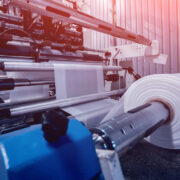
Thermoforming involves heating a flat plastic sheet until it becomes pliable. Once softened, the material is formed over or into a mould using pressure or vacuum. After cooling, the plastic retains the mould’s shape and is trimmed to its final dimensions.
High-quality Thermoforming Plastic solutions developed by Alma Products focus on precision and repeatability. Careful temperature control and forming techniques ensure that each product meets design specifications while maintaining structural integrity.
Cost Efficiency and Production Flexibility
One of the key advantages of thermoforming is its cost-effectiveness. Tooling costs are generally lower compared to other manufacturing methods, making it an ideal choice for both short and long production runs. This allows businesses to prototype designs, test markets, and scale production without excessive investment.
Efficient cycle times also contribute to reduced manufacturing costs. The ability to produce large components with minimal material waste further enhances overall efficiency, making thermoforming a practical solution for budget-conscious production.
Material Choices and Performance Benefits
A wide range of thermoplastics can be used in thermoforming, each offering specific performance characteristics. Materials are selected based on factors such as strength, impact resistance, transparency, and chemical stability.
Choosing the right material ensures the finished product performs reliably in its intended environment. The adaptability of Thermoforming Plastic allows manufacturers to tailor solutions to meet functional, aesthetic, and regulatory requirements across different applications.
Design Versatility and Customisation
Thermoforming offers significant design flexibility, allowing for the creation of complex shapes, smooth contours, and detailed surface finishes. This versatility supports both functional components and visually appealing products.
Custom moulds enable manufacturers to produce bespoke designs that align with brand identity or specific technical needs. Adjustments to thickness, texture, and colour further enhance customisation while maintaining efficient production.
Applications Across Multiple Industries
Thermoforming is widely used in industries such as packaging, automotive, retail, medical, and industrial manufacturing. Common products include trays, housings, protective covers, and display components.
The process is particularly valuable for large or lightweight parts where durability and precision are required. Its ability to produce consistent results makes it suitable for ongoing supply and high-quality output.
Durability and Long-Term Reliability
Products created through thermoforming are designed to withstand regular use and environmental exposure. Durable materials and controlled forming processes result in components that resist cracking, warping, and wear.
This reliability supports long-term performance while reducing maintenance and replacement costs, contributing to overall operational efficiency.
Conclusion
Thermoforming plastic remains a vital manufacturing process due to its flexibility, cost efficiency, and design versatility. By combining adaptable materials with precise forming techniques, manufacturers can produce reliable and customised products across a wide range of industries. As modern production demands continue to evolve, thermoforming offers a dependable solution that balances innovation, quality, and efficiency.






Comments