
 By
By 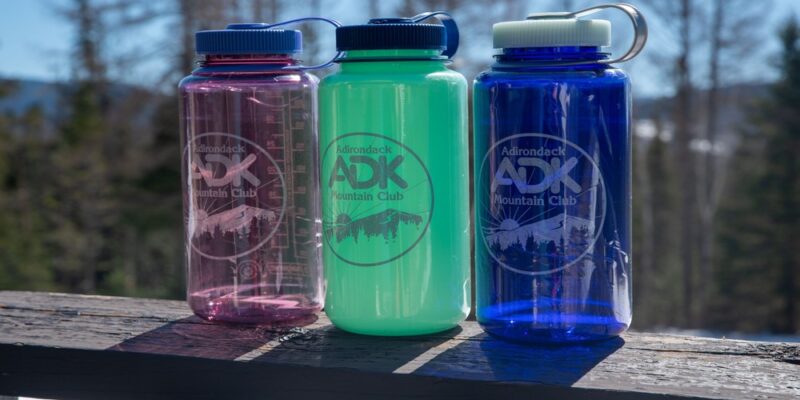
How do bottles perform?
Extreme environments test a water bottle in ways regular daily use never replicates. Temperature swings, physical knocks, prolonged outdoor elements, and high-demand activity place simultaneous stress on the material, lid, and finish at once. Nalgene Bottles are constructed from Tritan copolyester and Sustain resin, both of which maintain structural and exterior integrity in demanding situations that compromise less durable materials quickly. The wall does not soften in heat or become brittle in cold. The lid mechanism holds its seal through temperature-driven expansion and contraction cycles without loosening. The exterior stays intact through UV contact and physical wear that outdoor settings consistently introduce. How a bottle holds up in demanding environments clarifies why material selection and construction quality matter well beyond the controlled setting of everyday indoor use.
Does cold affect performance?
Cold temperatures introduce specific stresses that affect plastic materials differently depending on molecular composition. Materials performing well at room temperature sometimes become brittle or dimensionally unstable when temperatures drop noticeably.
Tritan maintains its resilience and dimensional stability in cold settings without becoming brittle or losing wall flexibility. A bottle dropped on a hard, frozen exterior holds its integrity where a less resilient material would fracture at the point of contact. That cold-weather performance comes from material composition rather than wall thickness alone, meaning the bottle stays functional and intact through winter outdoor use without requiring careful handling to prevent damage.
Heat and UV exposure
Prolonged heat and direct UV contact represent the situations that most visibly affect plastic materials over time. Exterior clouding, wall softening, and colour shift in applied designs are responses that lower-grade materials show in sustained outdoor settings.
- Tritan resists exterior clouding in sustained UV contact without requiring protective coating or special storage away from sunlight.
- Wall integrity holds in high ambient temperatures without softening or deforming at stress points during extended outdoor use.
- Sustain resin performs consistently in heat equivalent to standard Tritan, maintaining wall and finish stability throughout outdoor use.
- Printed and engraved designs on Tritan hold their visual integrity in UV contact better than equivalent designs on less stable materials.
- Colour accuracy in applied designs stays consistent in prolonged sunlight when appropriate printing methods and finishing are used during production.
Heat and UV performance in extreme outdoor settings reflects material formulation rather than post-production handling, making construction quality the relevant variable throughout.
Physical resilience outdoors
Outdoor and high-demand environments introduce physical force that indoor daily use rarely replicates at equivalent frequency or intensity.
- Tritan absorbs force from drops on hard exteriors without fracturing or developing stress cracks at contact points.
- Wall thickness consistency throughout the cylindrical body distributes force evenly rather than concentrating it at weak points.
- HDPE construction handles rougher physical contact in active outdoor situations with a dense wall resisting marking and deformation.
- Lid threading maintains secure closure integrity after repeated drops without loosening or cross-threading in demanding settings.
Physical resilience in extreme environments comes from material density and construction consistency working together. A bottle holding its form and function after repeated force in demanding settings stays in active use, where others need replacement after equivalent outdoor exposure.
Demanding environments reveal what everyday use never gets the chance to test properly. A bottle that holds up through heat, cold, and physical stress without adjustment earns its place in any context. That proven reliability across varied conditions is what makes material quality a genuinely practical consideration.









Comments