
 By
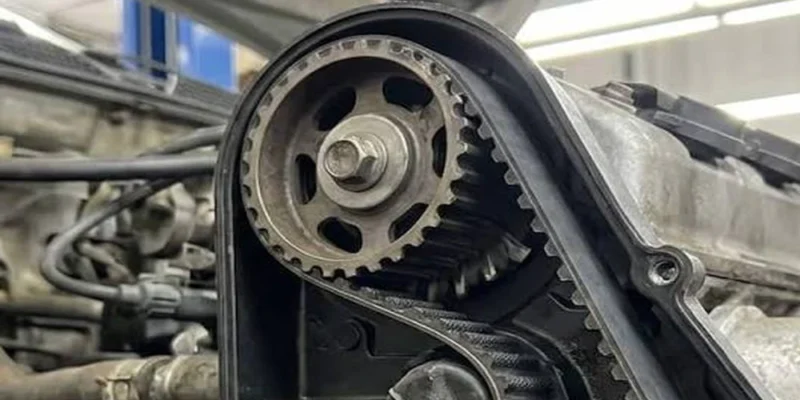
A packaging line stops halfway through a shift, and the culprit turns out to be a belt barely thicker than a finger. That is how many engineers learn to respect rubber timing belts. These toothed belts keep shafts in exact step, so a conveyor, a pump or a CNC axis moves in perfect time with its motor, without the slip you get from a flat or wedge belt.
Some belts run for years, while others fray, crack or shed teeth within months on what looks like the same machine. The difference rarely comes down to luck. Tooth shape, tension, pulley condition, heat, oil and even the way a spare timing belt sits on a shelf all shape how long it lasts. Knowing these factors helps you get more hours from every belt.
Why Do Rubber Timing Belts Wear Out at Different Rates?
A rubber timing belt is a layered product. The body is usually chloroprene (neoprene) or HNBR rubber; the strength comes from tension cords of glass fibre or aramid buried inside, and the teeth often carry a nylon fabric facing that cuts friction as they enter the pulley grooves. Each layer has its own weaknesses. Rubber hardens with heat and age; cords dislike sharp bends, and the fabric facing wears through when teeth rub instead of rolling cleanly into place.
Duty cycle matters as much as construction. Industrial timing belts on a machine that starts and stops hundreds of times an hour face shock loads that a steadily running fan drive never sees. Reversing loads, frequent jogging and sudden jams all put the teeth under shear. Two identical belts can age very differently for that reason alone.
How Does Tooth Profile Influence Load and Life?
The tooth shape decides how the load passes from the pulley into the timing belt. Older trapezoidal profiles, sold under imperial codes such as XL, L and H or metric series such as T5 and T10, have straight-sided teeth. They work well for light and moderate loads, but stress gathers at the tooth root. Curvilinear or round-tooth profiles spread that stress more evenly, carry more torque for the same width and resist jumping a tooth when the load spikes.
The catch is that profiles do not mix. A curvilinear belt on a trapezoidal pulley may run for a while, yet the teeth seat poorly and wear fast. When replacing a belt, match the profile, pitch, and width exactly. Reputable rubber timing belt manufacturers print the profile and pitch on the back of each belt, which makes this check quick.
What Happens When a Timing Belt Is Too Tight or Too Loose?
Tension is the setting where most people get wrong. A loose timing belt lets teeth ride up the pulley flanks, and under a sudden load it can skip a tooth, throwing a machine out of time. Over-tightening feels safer but costs more, because it overloads the tension cords, presses hard on shaft bearings and speeds up wear on the tooth facing.
The safer habit is to tension to the figure in the drive design, using a tension gauge or the deflection method set out by the belt maker, and to recheck after the first few hours of running as the belt beds in. For industrial timing belts on long centres, a sonic tension meter removes the guesswork by reading the belt’s natural vibration frequency. Never lever a belt over a flange with a screwdriver to fit it. Slacken the centre distance instead, because forced fitting can kink the cords before the belt has made a single turn.
Can Misalignment and Worn Pulleys Shorten Belt Life?
Yes, and often faster than any other fault. When two pulleys sit at a slight angle or are offset, the belt tracks hard against one flange. Look for one edge fraying or a fine dust of rubber under the drive. Rubber timing belts tolerate very little misalignment compared with wedge belts, so a straightedge or laser alignment check after any motor change is worth the few minutes it takes.
Pulleys wear too, and a worn pulley quietly destroys new belts. Look for polished or hooked groove flanks, burrs, rust and bent flanges. A very small pulley also forces the belt to bend tightly, which tires the cords. Every profile has a minimum pulley size for that reason. Fitting a fresh timing belt on worn pulleys simply restarts the same failure.
Which Operating Conditions Harm Industrial Timing Belts Most?
Heat is the slow killer. Every rubber compound has a temperature limit, and running close to it hardens the body, cracks the back, and weakens the bond with the cords. Chloroprene suits general duty, while HNBR copes with higher temperatures and many oils, which is why it turns up in hot or oily plants. Drives beside ovens or enclosed motors deserve extra ventilation, and industrial timing belts in such spots should be inspected more often.
Oil, grease and chemicals soften standard rubber and make teeth swell, while abrasive dust grinds the facing like sandpaper. Guards that keep out splashes and dust, prompt repair of leaking seals and a compound suited to the setting all add months to belt life. Many timing belt manufacturers in India offer oil-resistant, antistatic or heat-resistant constructions for these conditions, so describe the real environment when ordering.
What Should You Check Before Buying Replacement Belts?
The cheapest belt can prove the costliest once downtime is counted. Ask about the rubber compound, cord material and tooth facing, and whether the belt follows recognized profile standards. Established rubber timing belt manufacturers are usually willing to share construction details and help match a belt to the load, speed and environment of your drive.
A simple record for each drive saves trouble later and makes reordering from timing belt manufacturers in India much quicker. Note the profile, pitch, width, length, compound, and fitting date. That record prevents the wrong belt being fitted and shows which drives get through belts faster than they should, which usually points to a tension or alignment problem worth fixing.
Does Proper Storage Extend the Life of a Spare Timing Belt?
Yes, a spare timing belt stored well will perform like a new one when it is finally fitted, while a badly stored belt can be half-aged before it turns into a pulley. Keep spares in their packaging in a cool, dry, dark place, away from direct sunlight, heaters and electric motors that give off ozone, and never hang them on narrow hooks or fold them into tight loops. Combined with correct tension, sound alignment, clean pulleys and a compound suited to the job, careful storage gives rubber timing belts the best chance of reaching their full-service life.









Comments