
 By
By 
Picture this: you’re in a meeting, and someone asks for the latest numbers. Suddenly, there’s an awkward pause as laptops open, spreadsheets load, and everyone silently prays the file won’t crash. By the time the report finally appears, half the room has already checked their emails and two people are thinking about lunch.
We’ve all been there. Traditional reporting feels like waiting for a polaroid picture to develop—slow, slightly fuzzy, and not exactly thrilling. But the modern business world doesn’t move at the speed of polaroids. It’s fast, unpredictable, and impatient for answers that are not just accurate but instant.
Goodbye static, hello dynamic
Instead of digging through endless cells and formulas, imagine a tool that updates in real time. A tool that doesn’t just display yesterday’s news but shows what’s happening right now. That’s the beauty of learning What Are Dynamic Dashboards for Real-Time Reporting? — an approach that transforms how data tells its story.
Data with a pulse
Think of a dashboard as less of a report and more of a heartbeat monitor for your business. Every shift, every spike, every dip becomes visible the moment it happens. Decisions stop being guesses and start being grounded in living, breathing information. Instead of post-mortems on last quarter, you get a live-stream of the present moment—like binge-watching your company’s performance without the cliffhangers.
The real power: clarity in chaos
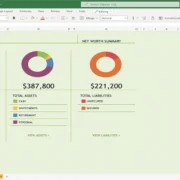
Let’s face it: most teams are drowning in numbers. Spreadsheets pile up like unread emails, and vital insights get buried under tabs no one remembers naming. A well-designed dashboard doesn’t just present information; it translates chaos into clarity. Color-coded visuals, real-time alerts, and simplified tracking make it impossible to miss what truly matters.
From reactive to proactive
The shift isn’t just about speed—it’s about mindset. Static reporting leaves you reacting to problems after they’ve already unfolded. Dynamic dashboards put you ahead of the curve, giving you the ability to spot trends, anticipate issues, and act before small hiccups turn into full-blown crises.
So next time someone pulls up a twenty-tab spreadsheet in a meeting, resist the urge to sigh. Smile instead—because you’ll know there’s a better way. And once you’ve seen data come alive in real time, going back to rows and columns will feel as outdated as using dial-up internet to stream a movie.









Comments